
 by
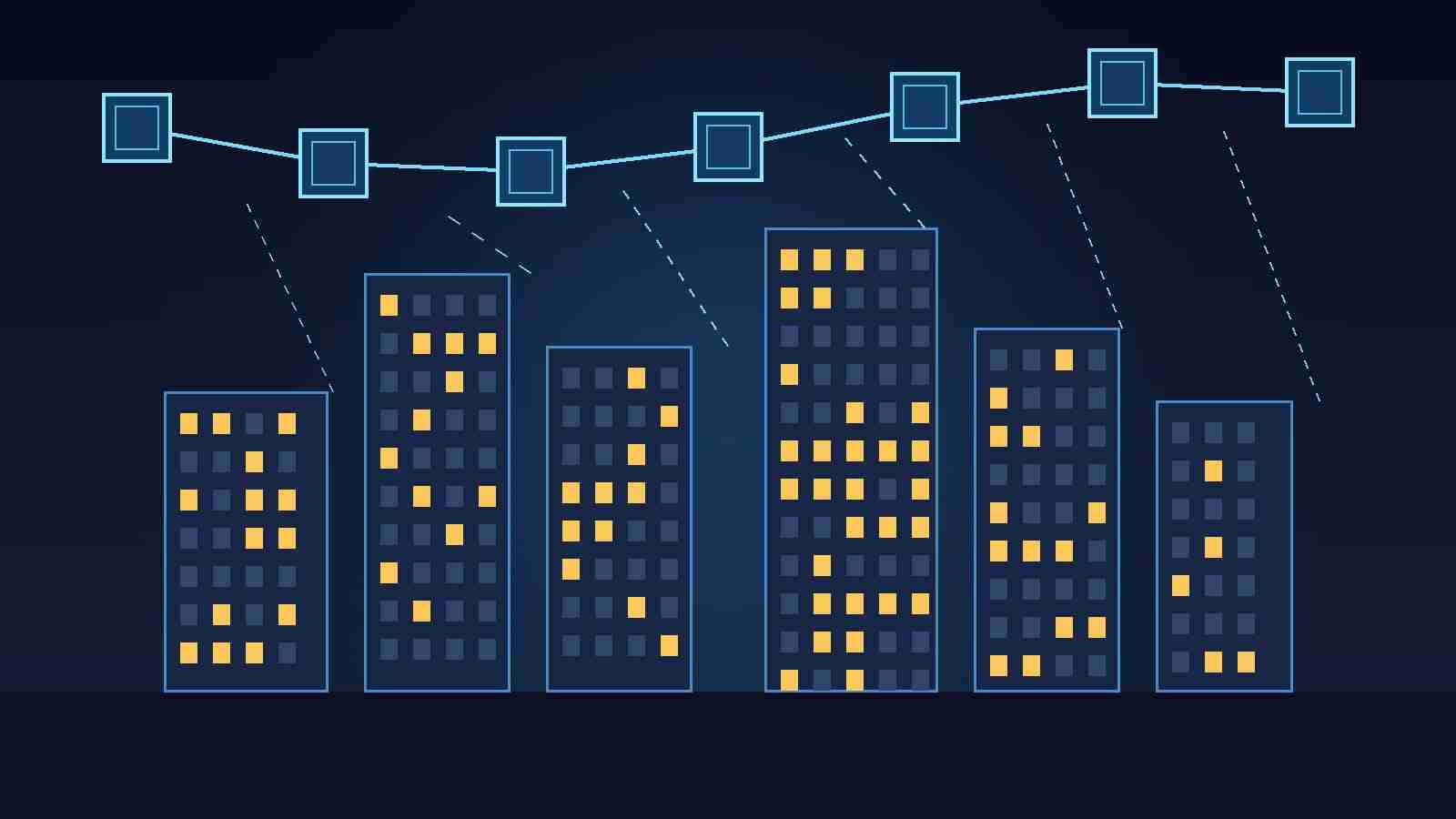
Most talk about crypto and real estate focuses on big-ticket deals: office towers split into tokens, luxury villas sold for bitcoin, billion-dollar funds moving onchain. But a large share of residential property is owned and run through something far less glamorous: the condominium or homeowners association (HOA). A new announcement from a US condo management software company argues that this is exactly where blockchain could make the biggest everyday difference.
On September 23, 2026, My Green Condo Inc., which operates under the name MGCOne, published an industry brief via PR Newswire setting out how it believes blockchain, tokenization and stablecoins will reshape community association management. It is worth reading carefully, and it is worth being clear about what it is: a company’s vision statement, not a product launch or an independent report.
What MGCOne actually announced
The following points are taken from the company’s press release.
MGCOne, based in Hightstown, New Jersey, says its framework is backed by U.S. Patent No. 12,443,952. The brief lists nine changes it expects blockchain to bring to condo and HOA life. The most relevant for property buyers and owners are:
- Onchain property records. Deeds and ownership data recorded on a blockchain, which the company says would reduce reliance on fragmented county systems and shorten title searches.
- Tokenized ownership. Units represented as digital tokens that could be sold whole or in fractions via smart contracts, giving associations a live view of who owns what and who holds voting rights.
- Same-day settlement. Using stablecoins and smart contracts so that payment and title transfer happen together. The release contrasts this with what it describes as a 60-to-90-day closing cycle.
- Automated association finances. Dues collection, late-fee notices, vendor payments and reconciliation handled by code rather than manual bookkeeping.
- Instant estoppel verification. One-click confirmation of whether a unit is in good standing with the association, a document buyers and lenders need before closing.
The remaining points describe a single shared ledger replacing multiple software tools, associations keeping ownership of their own data, sensors and drones coordinating maintenance through smart contracts, and an AI layer working on top of the blockchain data. The release says MGCOne intends to license its intellectual property to management companies and software providers through partnerships and acquisitions.
Importantly, the release presents all of this as a direction of travel. It does not announce a live tokenized condo sale, a named partner, a regulator’s approval or any usage figures.
A quick glossary for property professionals
Blockchain: a shared digital ledger where entries, once added, are very hard to alter. Tokenization: representing a right to an asset, such as ownership of a unit, as a digital token on that ledger. Smart contract: a small program on a blockchain that executes automatically when set conditions are met, for example releasing funds once a transfer is recorded. Stablecoin: a cryptocurrency designed to hold a steady value, usually pegged to a currency like the US dollar, which makes it more practical for payments than volatile coins. Estoppel certificate: a statement from an association confirming a unit’s balance and standing, typically required when a unit is sold.
Our analysis: where this could help, and where it stalls
This section is bithome.ch commentary, not information from the source.
The strongest idea in the brief is also the least flashy one. Association administration is document-heavy and repetitive: dues, reminders, balance statements, vendor invoices. Automating those flows and keeping a tamper-resistant record of them is a plausible, practical use of the technology, and it does not require anyone to change property law.
The bigger promises are harder. Official land and title records are kept by public authorities, and a private ledger does not replace them unless the law says so. Same-day closing also depends on more than payment rails: lenders, inspections, insurers and legal checks all set the pace of a sale. Tokenized fractional ownership of individual condo units would raise securities, tax and governance questions, including how voting rights work when a unit has many small owners. None of these are addressed in detail in the release.
For readers in Switzerland and Europe, the picture is different again. Property transfers here run through notaries and cantonal land registers, so any blockchain layer would sit alongside those institutions rather than replace them. Condominium ownership (Stockwerkeigentum or PPE) has its own legal framework, and any tokenization of units would have to fit within it.
The takeaway
MGCOne’s brief is a useful snapshot of where some proptech companies see blockchain heading: less about speculation, more about the paperwork of owning a home in a shared building. That shift in focus is healthy. But this is a single company’s patent-backed roadmap, published as a press release, with no live deployment described. Treat it as a signal of ambition rather than evidence of change, and watch for concrete pilots, partners and regulatory sign-off before assuming condo closings will run on stablecoins any time soon.
Source: MGCOne (My Green Condo Inc.), “MGCOne Unveils Blockchain-Powered Vision for the Future of Condo/HOA Community Management, Integrating Tokenization, Stablecoins, and AI”, press release via PR Newswire, September 23, 2026. This article is for information only and is not investment advice.


Join The Discussion